I’ve lived with atopic skin trouble since I was a baby. In my twenties, determined to heal it at the root, I stopped using the steroid creams I had relied on. The symptoms came flooding back all at once, and it became one of the hardest times I had ever known.
Even so, that decision to seek a deeper cure led me to rethink what I ate. And that was how I met vegetables grown by natural farming. The very vegetables I had hated as a child now tasted completely different, and for the first time in my life, I found them delicious. In time, I took up natural farming myself.
I still live with atopy today. Yet without that hardest of times, I would never have found natural farming. A dead end, I’ve come to think, can be like a node in the bamboo.
When You Feel Stuck
Sooner or later, everyone hits a wall. A project stops moving. A goal stops feeling reachable. We call it being “stuck,” and it can feel like the end of the road.
But a Japanese thinker named Mokichi Okada (1882–1955) saw it differently. What we call a dead end, he said, is not really a dead end at all. It is the very thing that lets us grow.
The Lesson of the Bamboo
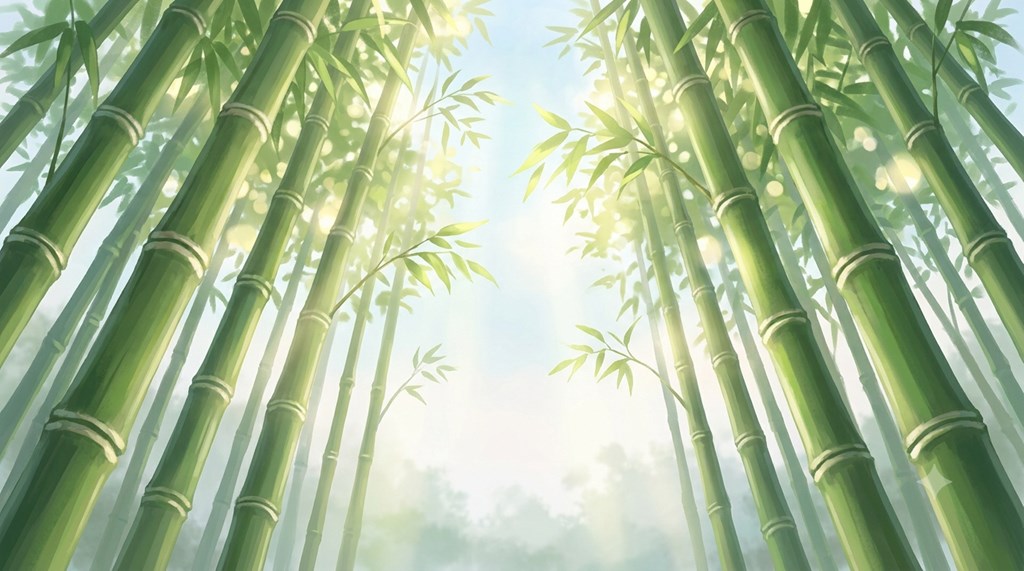
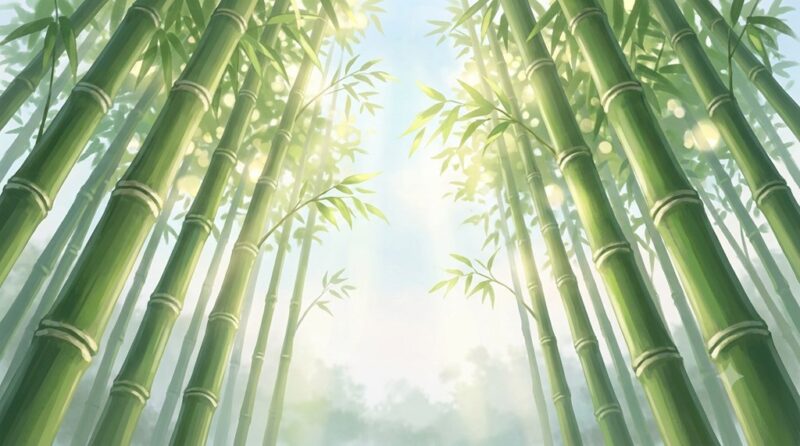
Okada pointed to bamboo. A bamboo stalk grows upward, then forms a node — a hard, ringed joint — then grows again, then forms another node. It is precisely those joints that make bamboo so strong and supple.
A stalk that only stretched upward, with no nodes, would be weak and snap easily. The more nodes it has, the stronger it stands. The fewer, the weaker.
Our lives, Okada suggested, work the same way. The moments when we feel stuck are like the nodes of bamboo — pauses that let us grow back stronger. Running full speed without a break leaves us out of breath; a stop is not a failure, but a joint that gives us strength.
He believed nature itself teaches this. Look closely at the natural world, and most of life’s puzzles begin to make sense.
Two Kinds of Walls
There is, however, another kind of dead end — one we create ourselves.
Sometimes we hit a wall not because growth requires it, but because we didn’t see far enough ahead. We miscalculated; we couldn’t picture where our choices would lead. That kind of wall, Okada said, comes from a lack of wisdom, and it leaves us truly unable to move, forward or back.
His advice was practical. When you find yourself stuck, pause and look back over the path that brought you there. Somewhere, you may notice the point where things went wrong — and that noticing is what lets you move again.
Growing Through the Stuck Places
A wall, then, is not something to fear. Sometimes it is nature’s way of making us stronger. Other times it is a signal to stop, look back, and think.
Either way, the stuck place is not where the road ends. It is a node in the bamboo — the very thing that lets what comes next grow tall and strong.
Read the Original
This is a short introduction. The full text — written by Okada in Japanese in 1952 — is available on meshiya.jp.
👉 行詰り(meshiya.jp)