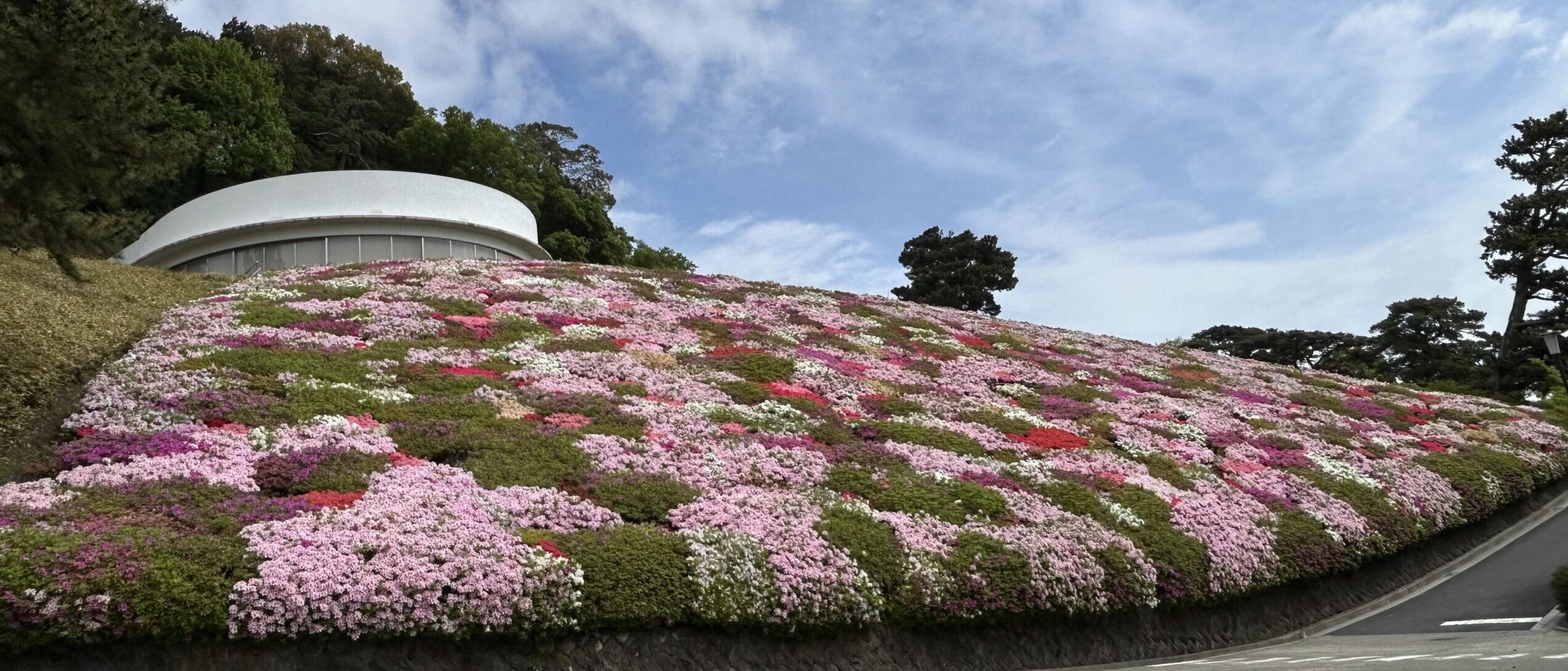


One summer day, I set out to tidy up my field, pulling the weeds with great care. It looked wonderfully neat afterward, and I was pleased.
But a few days later, my seedlings had lost their vigor. The bare soil had dried out under the summer sun. When the weeds were there, they had covered the ground and kept it from drying. My well-meaning weeding had only weakened the very plants I wanted to help.
Tidier isn’t always better. Sometimes the wiser move is to leave things be — a quiet lesson the field taught me.
When Pushing Harder Only Makes Things Worse
We all run into problems where the obvious solution simply doesn’t work. We push, we force, we try harder — and the problem only digs in deeper. A Japanese thinker named Mokichi Okada (1882–1955) had a name for the way out: the reverse method.
The idea is simple. When a head-on approach fails, try the opposite. Instead of forcing an outcome, create the conditions in which it happens on its own.
The North Wind and the Sun
You may know Aesop’s fable. The North Wind and the Sun argue over who can make a traveler take off his coat. The Wind blows with all its might — but the harder it blows, the tighter the traveler clutches his coat. Then the Sun simply shines, warm and steady, and the traveler takes the coat off himself.
Force met resistance. Warmth invited a choice. That is the reverse method in a single story.
The Painter and the Ghost
Okada told another story, about the famous Japanese painter Maruyama Ōkyo.
One day Ōkyo visited a restaurant run by an acquaintance. Something was wrong — business had fallen off, and the owner was thinking of closing. “Leave it to me,” said Ōkyo. He went home, painted a strikingly beautiful picture of a woman’s ghost, and had it hung in the restaurant.
The owner was stunned. “I need to bring customers back — a lucky, cheerful painting I could understand, but a ghost?” Ōkyo only said, “Just wait and see.”
And sure enough, word of the ghost painting spread through the city. People came to see it, and the restaurant grew busier than ever.
Where common sense said “show something auspicious,” Ōkyo did the opposite. He understood that when things reach an extreme, they turn toward their opposite — and he played that reverse card.
Let It Run Its Course
Okada added one more observation. Most problems, he said, cannot be solved until they have run all the way to their natural end. Yet we tend to step in halfway, trying to hold things back and return them to how they were — and that, more often than not, only delays the solution.
When the direct path fails, ease off and consider the reverse. Strange as it sounds, that is often the shortest way through.
Read the Original
This is a short introduction. The full text — written by Okada in Japanese in 1949 — is available on meshiya.jp.
👉 逆手の法(meshiya.jp)
