

I often rush, and it often costs me.
Whenever my health improves a little, I get excited and try to do everything at once — and then I overdo it and end up unwell again. I’ve repeated this pattern more times than I can count.
I know better, of course. Take it slow, move a little at a time. But the moment I feel better, I find myself rushing ahead.
When I came across Mokichi Okada’s teaching, “Wait for the right moment,” something clicked. Instead of forcing a heavy stone up a slope by sheer strength, you wait until the obstacle clears on its own. Then it moves with a single finger.
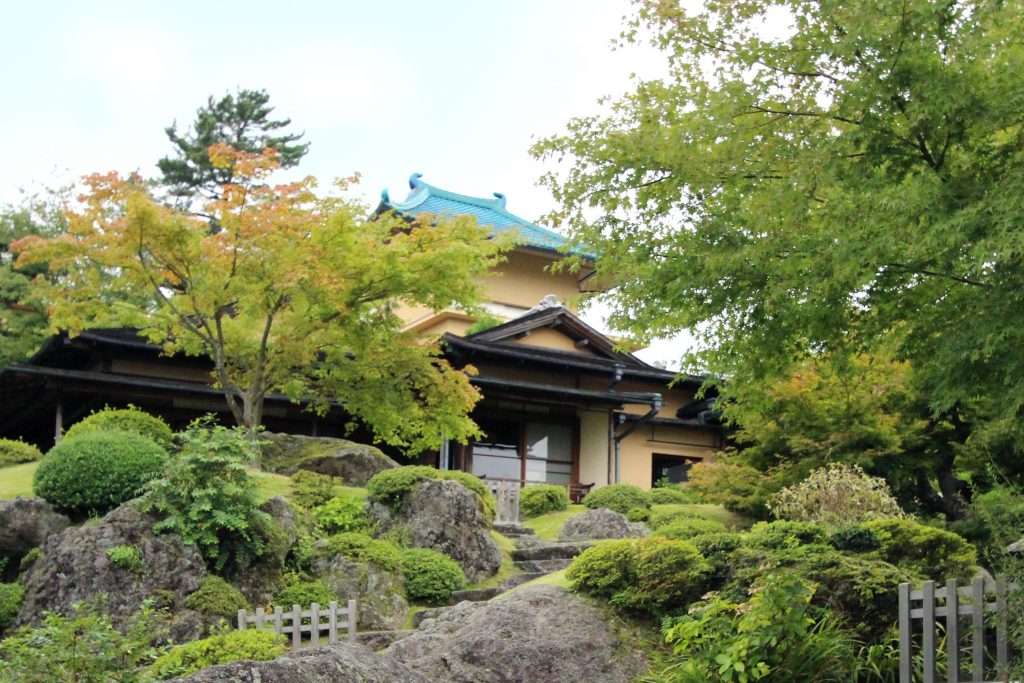
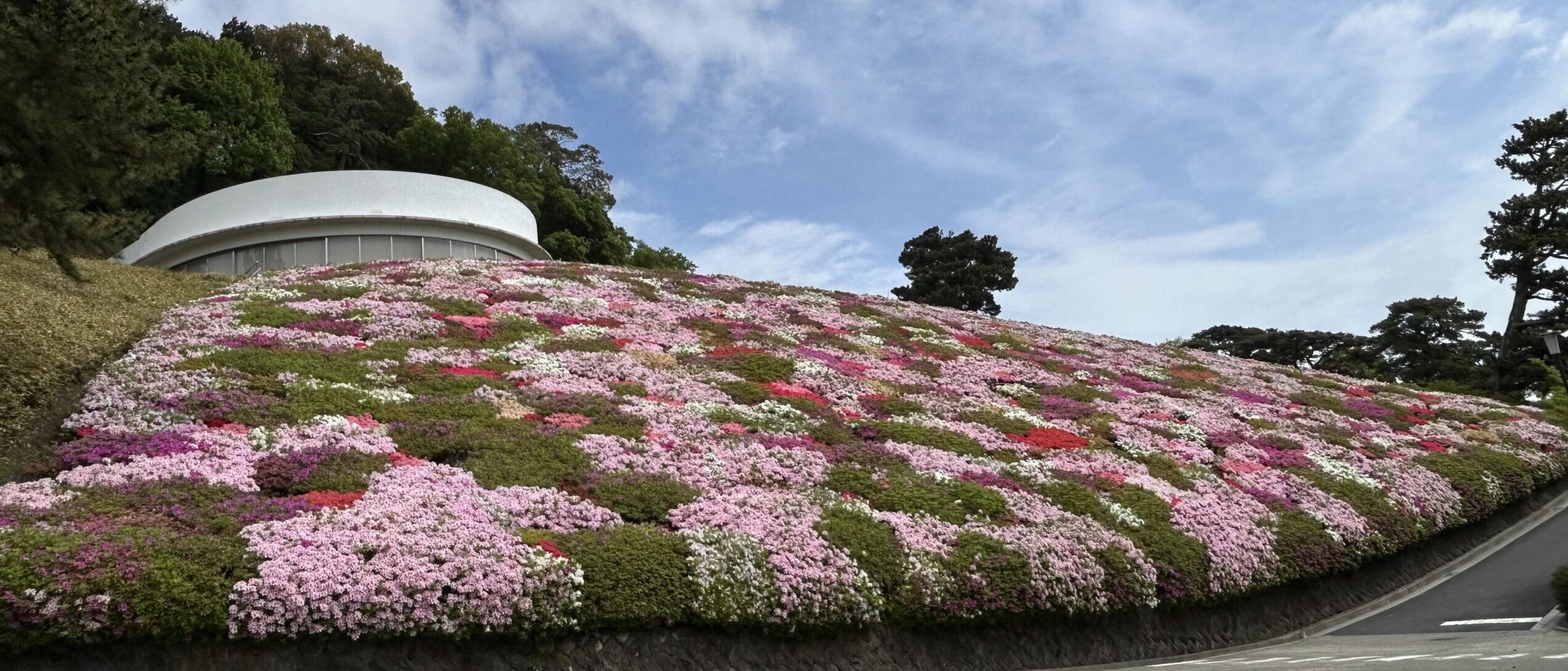
Rather than rushing, wait for the moment to ripen. In the garden, in life, and in how I face my own body — that’s how I’ve come to think now.
Have you ever started something at the wrong time — and watched it fall apart, no matter how hard you tried?
You planned carefully. You prepared well. And still, things didn’t work out.
A Japanese thinker named Mokichi Okada believed he knew why.
The Hidden Cause of Most Failures
Okada spent years observing people who failed in business, in projects, and in life. He noticed something that most people overlook.
It wasn’t lack of effort. It wasn’t bad luck.
The real cause, he said, was timing.
What Nature Teaches Us
Think about how nature works. Flowers bloom in their season. Fruit ripens at its own pace. Plant a seed too early or too late, and even the best soil won’t help.
Nature doesn’t rush. And nature rarely fails.
Okada believed the same principle applies to human life. Every plan, every project, every important decision — each one has its right moment. Move too soon, and obstacles pile up. Force it, and things fall apart.
Waiting Is Not the Same as Doing Nothing

Okada was not saying “just sit and wait.” He was saying: think deeply, prepare fully, and then — wait until the moment is truly ready.
He described it this way. Imagine a heavy stone at the top of a slope. Something is blocking it. You could strain and push with all your strength. Or you could wait. Over time, the obstacle weakens on its own. Then, with just one finger, the stone rolls easily.
That is the difference between forcing things and acting at the right time.
His Own Way of Working
Okada applied this to everything he did. When people urged him to move faster — to launch plans sooner, to take action now — he didn’t rush. He waited until the conditions were right.
And when he did act, things moved smoothly. Naturally. Without unnecessary struggle.
He summed it up in four words: think deeply, then act decisively.
There is an old Japanese saying: “If you wait, fair winds will come.” Okada pointed to this kind of wisdom as a reflection of how the natural world works — and how human life works best when we follow the same rhythm.
Read the Original
This article is a short introduction. The full text — written by Okada in Japanese in 1949 — is available on meshiya.jp.
👉 時期を待て