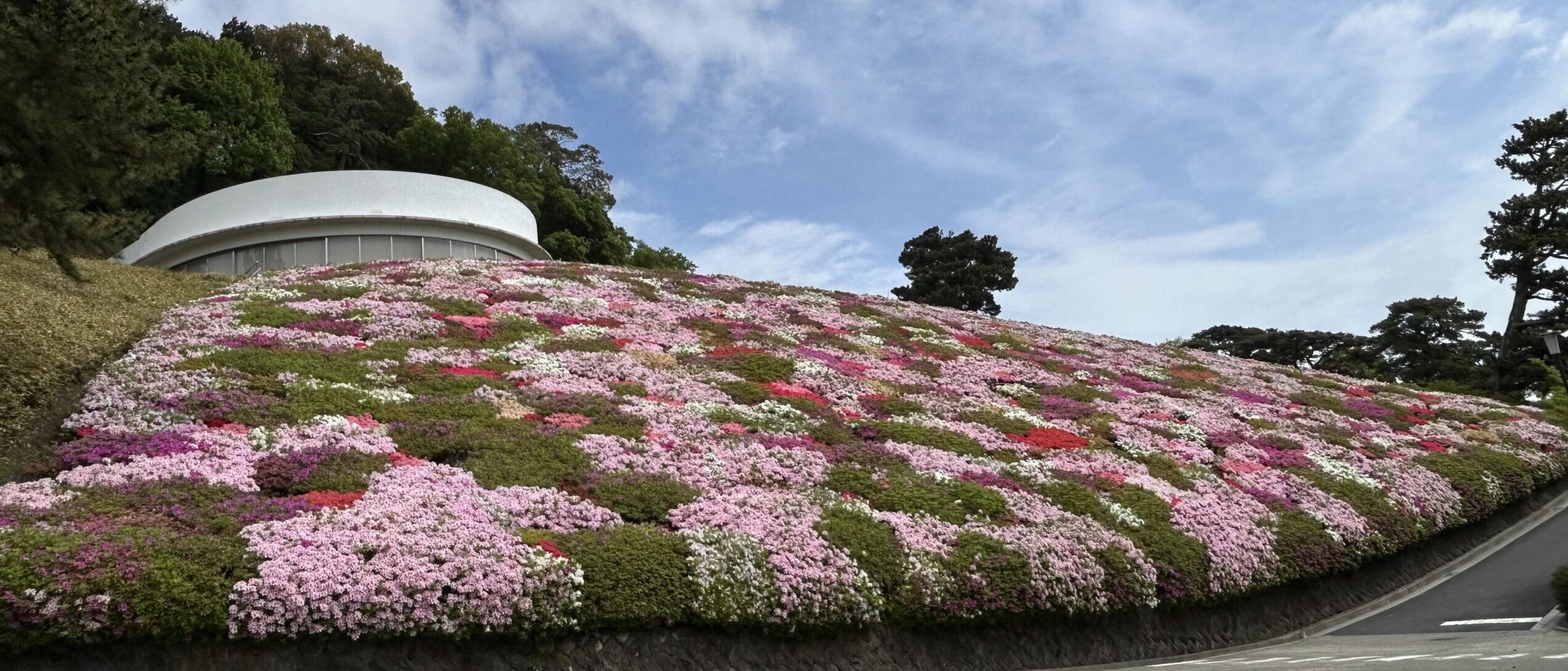



Growing up, my image of farming was never a pleasant one. Manure. Animal waste. The kind of smells that made me want to keep my distance. For a long time, that image was enough to put me off gardening altogether.
Then I came across Mokichi Okada’s approach to natural farming — and something shifted. No animal waste. No synthetic fertilizer. Just soil, allowed to do what soil does naturally. And the vegetables that came from it tasted like nothing I’d grown before.
That was what changed my mind about farming.
Japan today has moved away from the heavy use of manure that was common in Okada’s time. But even now, the idea of handling animal-based fertilizers is enough to put many people off. If that sounds familiar, natural farming might be exactly what you’ve been looking for.
If you’ve ever grown vegetables at home, you know the frustration. The tomatoes drop their flowers before fruiting. The radishes come out hollow. The cucumbers wilt from root pests. And the leafy greens? Full of holes.
The usual advice is: add more fertilizer. But what if fertilizer is actually the problem?
The Smell Nobody Talks About
For most of history, home gardeners used composted manure to feed their plants. It works — to a point. But Mokichi Okada, a Japanese thinker writing in 1951, pointed out something that many gardeners quietly knew but rarely said out loud: the smell is unbearable. It drifts into the house. It ruins mealtimes. And yet people kept doing it, because they believed there was no other way.
Okada disagreed.
What Natural Farming Offers Instead
Okada argued that the problems home gardeners face — poor yields, pest damage, hollow vegetables, flowers that fall before fruiting — are not signs that the soil needs more fertilizer. They are signs that it has had too much.
His approach, which he called natural farming, removes chemical inputs entirely. No manure. No synthetic fertilizer. Just soil allowed to work the way it was designed to.
The results he described were striking: vegetables that grew fuller, tasted better, and required far less worry about pests. And perhaps just as importantly — the garden became a place people actually wanted to spend time in.
A Different Kind of Morning

There’s a small detail in Okada’s writing that stays with me. He wrote that once people switch to natural farming, tending the garden in the morning becomes genuinely enjoyable. Not a chore. Not something you hold your breath through. Just a quiet, pleasant part of the day.
That shift — from endurance to enjoyment — might be the most honest measure of whether a farming method is truly working.
Who Was Mokichi Okada?
Mokichi Okada (1882–1955) was a Japanese thinker who believed that working with nature, rather than against it, was the key to solving many of the practical problems people face — in farming, in health, and in everyday life.
Read Next
👉 The Quiet Revolution: What Happens When Farming Stops Fighting Nature
Read the Original
The full text — written by Okada in Japanese in 1951 — is available on meshiya.jp.
👉 素人菜園について

Natural Farming Series — All Articles
- Modern Farming Is Losing Its Balance
- The Soil’s Secret Strength
- Why Pesticides Are Making the Problem Worse
- When Floods and Typhoons Hit, Some Farms Survive. What’s Their Secret?
- Why Do Parasites Thrive — And What Does Our Food Have to Do With It?
- Can an Ancient Japanese Practice Help Crops Grow Better?
- Why Your Home Garden Isn’t Thriving ← You are here
- The Quiet Revolution: What Happens When Farming Stops Fighting Nature